In bear country, food storage is not optional. Bears that learn to associate campsites with food can become a danger to people, and land managers in many areas are then forced to remove them. Correct storage is simple once it becomes routine, and it protects everyone who uses the site after you.
Why it counts
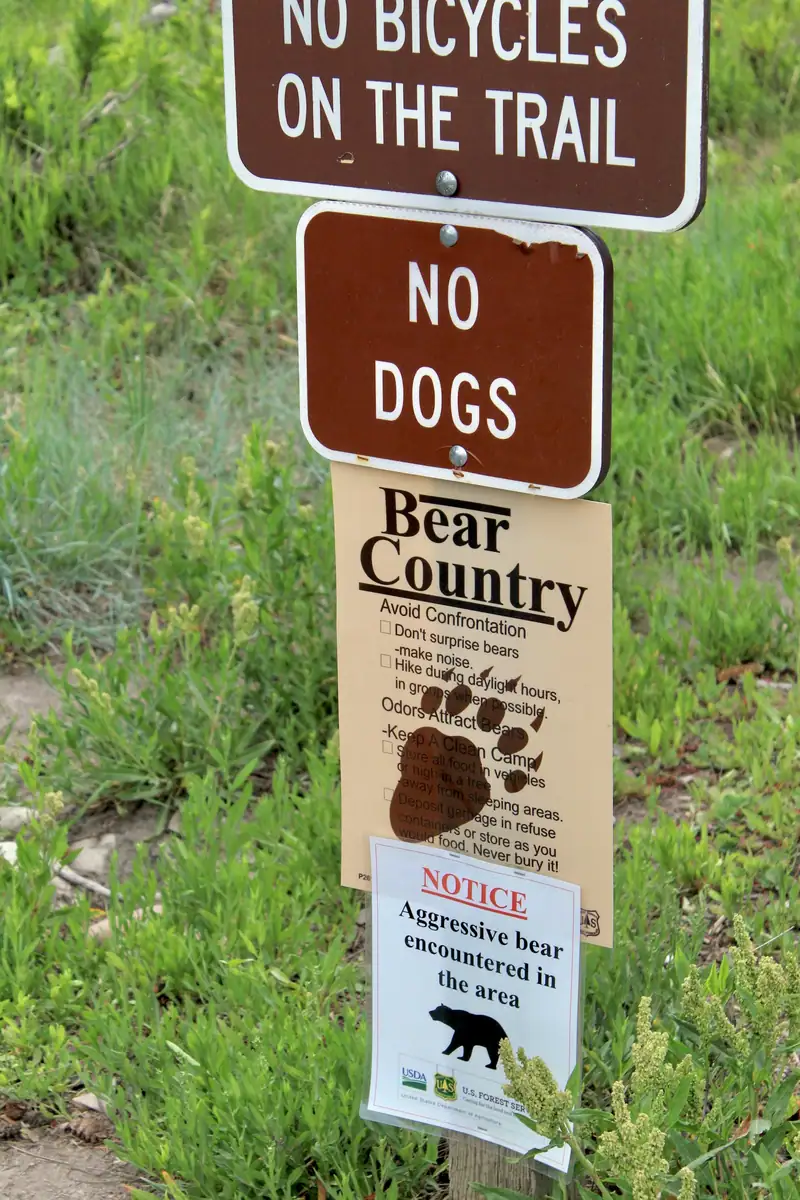
Bears have an extraordinary sense of smell and a strong memory for easy calories. A cooler left on a picnic table overnight, a granola bar in a tent pocket or a greasy pan by the fire can teach a bear that campsites are worth visiting. The goal of every rule below is the same: make sure no bear ever gets a food reward at your site.
Check local rules first
Requirements differ between national, provincial and territorial parks and other public lands, and sometimes between campgrounds in the same area. Some require approved canisters; some provide steel food lockers; some allow storage in a hard-sided vehicle with windows closed; some prohibit vehicle storage entirely. Check the land manager’s website (Parks Canada or the provincial or territorial parks agency, for example) or ask at the gatehouse before you arrive, and follow posted signs — they take precedence over any general guide, including this one.
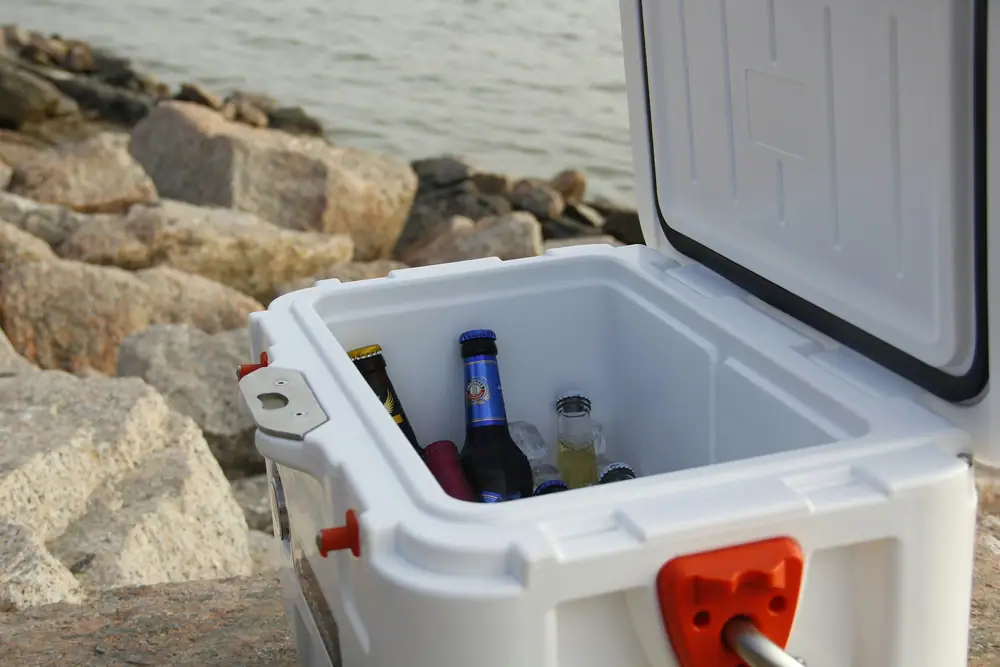
Remember: A regular cooler is not bear-resistant. Only coolers certified as bear-resistant, used with their locking hardware, count — and even those are not accepted everywhere.
Storage options
| Method | Where it is used | Notes |
|---|---|---|
| Campground food locker | Many developed campgrounds | Close and latch it every time, even when you are standing nearby |
| Hard-sided vehicle | Where permitted | Windows fully closed, food out of sight; not allowed in some areas |
| Bear-resistant canister | Backcountry; required in some areas | Store on the ground away from camp, not near cliffs or water |
| Food hang | Where trees and rules allow | Commonly 3–4.5 m (10–15 ft) up and well out from the trunk; hard to do well |
| Certified bear-resistant cooler | Some areas only | Must be locked with the approved hardware |
The camp triangle
In the backcountry, many guides recommend a “bear triangle”: your sleeping area, your cooking area and your food storage spot, each roughly 60 metres (200 feet, about 70 steps) apart, with cooking and storage downwind of the tents. At developed campgrounds you usually cannot spread out that far, so the focus shifts to never leaving anything scented unattended and using the locker or vehicle promptly.
Unattended means out of arm’s reach. If you walk to the washroom, the food goes back in the locker.
What counts as food
Anything with a scent belongs in storage — not only what you would eat.
Scented items to store
Nightly checklist
Before bed
These habits apply at breakfast and lunch too. Bears are active during the day in many places, and a table left set while everyone goes for a swim is just as tempting as one left out overnight. For the gear side of camp kitchens, see the camp kitchen gear checklist.